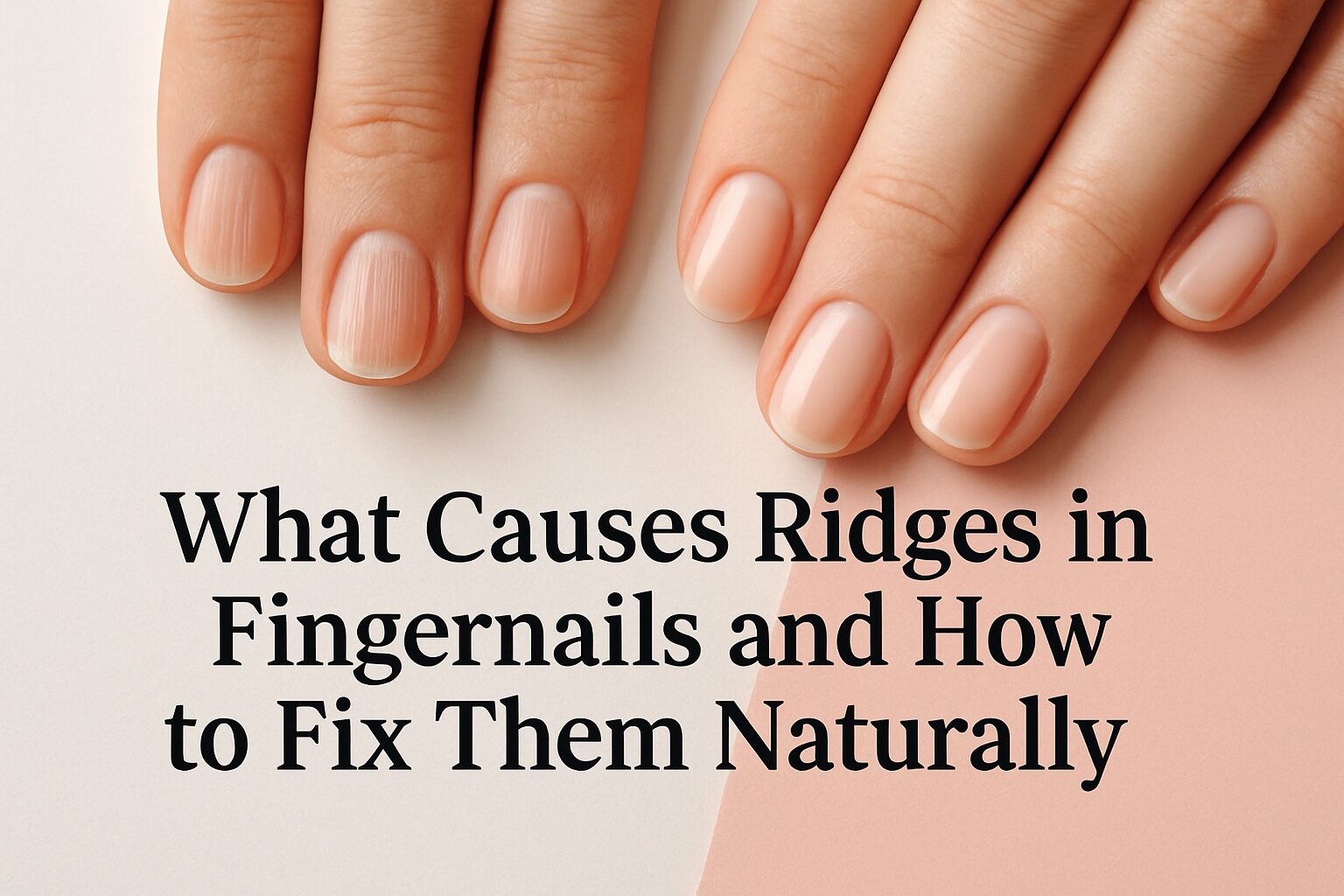
If you’ve ever looked at your nails and noticed thin lines running across or along the surface, you’re not alone. What causes ridges in fingernails and how to fix them is one of the most common nail health questions people search for — and for good reason.
Nail ridges can look subtle or obvious. Sometimes they’re barely noticeable, and other times they make your nails feel rough, uneven, or just not as smooth as they used to be.
Either way, they tend to bother people because they affect how nails look — especially when you’re wearing polish or trying to keep a clean, polished appearance.
The good news is that most nail ridges are completely harmless. In many cases, they’re a natural part of aging or a sign that your nails need a little more care. But in some situations, they can point to something deeper — like a nutritional gap, dehydration, or a health condition worth checking on.
In this guide, I’ll explain exactly what causes ridges in fingernails and how to fix them using simple, practical methods you can start at home. I’ll also cover when ridges might be something to bring up with your doctor.
What Are Nail Ridges?
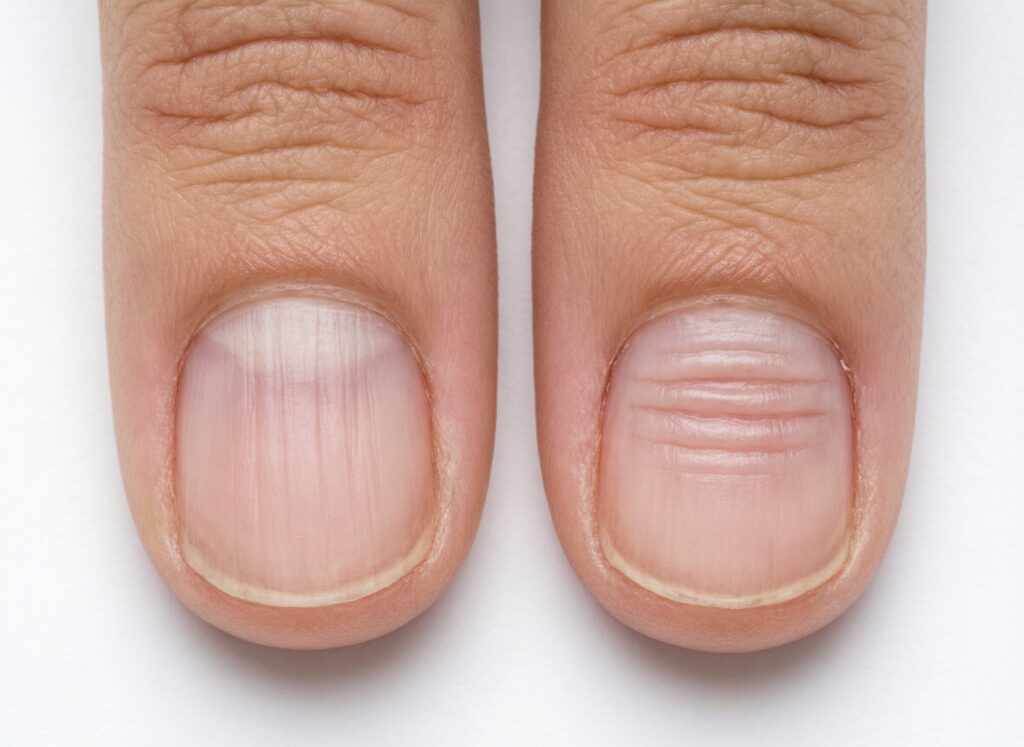
Nail ridges are thin, raised lines that appear on the surface of your fingernails. They can run vertically — from the base of your nail to the tip — or horizontally across the nail.
Most people notice them when their nails catch light at certain angles, or when nail polish doesn’t apply smoothly. Some ridges are shallow and cosmetic, while others can be deeper and more textured.
Ridges don’t always mean something is wrong. In fact, mild vertical ridges are extremely common and usually harmless. But understanding what type of ridges you have and why they’re appearing can help you take better care of your nails going forward.
Types of Nail Ridges
Not all nail ridges are the same. Knowing the difference between vertical and horizontal ridges is important because they can have very different causes.
Vertical Ridges
Vertical ridges run from the cuticle area down to the free edge of the nail. They’re the most common type of nail ridge, especially in adults over 30.
In most cases, vertical ridges are simply a sign of aging. As you get older, the rate at which your nails grow and regenerate slows down, and ridges can develop naturally — similar to how skin develops fine lines over time.
Vertical ridges can also appear due to dryness, mild nutritional gaps, or frequent exposure to water and chemicals.
Horizontal Ridges
Horizontal ridges — also called Beau’s lines — run from side to side across the nail. These are less common than vertical ridges and are often linked to a specific event that temporarily disrupted nail growth.
Causes of horizontal ridges can include illness, high fever, severe stress, injury to the nail matrix, certain medications, or nutritional deficiencies. If you notice deep horizontal ridges on multiple nails, it’s worth mentioning to your doctor.
What Causes Ridges in Fingernails?
Understanding what causes ridges in fingernails helps you figure out whether the issue is cosmetic or something that needs attention. Here are the most common reasons.
Aging
This is the most common cause of vertical ridges. As you age, cell turnover slows down and the nail plate doesn’t regenerate as smoothly. Most people over 40 have some degree of vertical ridging, and it’s considered completely normal.
Dehydration and Dryness
When your body or your nails don’t get enough moisture, the nail plate can become dry and textured. This makes existing ridges more visible and can cause new ones to develop. Frequent hand washing, cold weather, and air conditioning all contribute to nail dryness.
Nutritional Deficiencies
Lack of certain nutrients can affect how your nails grow. Iron, zinc, biotin, vitamin B12, and protein are all important for healthy nail formation. When these are low, nail texture, strength, and smoothness can all be affected.
Nail Trauma or Injury
If you’ve ever jammed your finger, hit your nail against something, or had an injury near the nail matrix, ridges can appear as the damaged nail grows out. These ridges are usually temporary and grow out over a few months.
Frequent Use of Harsh Nail Products
Gel polish, acrylics, dip powder, and acetone can all weaken the nail plate over time. Repeated application and removal cycles can cause the nail surface to become uneven, thin, and ridged.
Medical Conditions
In some cases, nail ridges — especially horizontal ones — can be linked to health conditions like thyroid disorders, anemia, diabetes, eczema, psoriasis, or kidney issues. If ridges appear suddenly across multiple nails, it’s a good idea to speak with a healthcare provider.
Stress
Severe physical or emotional stress can temporarily interrupt nail growth. This can cause horizontal ridges to appear weeks or months after a stressful event.
If you frequently get manicures and have noticed ridges developing, it might be worth giving your nails a break and focusing on recovery before trying new summer nail ideas.
How to Fix Ridges in Fingernails Naturally
Now that you know what causes ridges in fingernails and how to fix them, let’s look at practical steps you can take at home. Most mild to moderate ridges respond well to consistent care.

Keep Your Nails and Cuticles Moisturized
Dry nails show ridges more prominently. Keeping the nail plate and surrounding skin hydrated is one of the simplest ways to reduce the appearance of ridges.
- Apply cuticle oil to all 10 nails daily
- Use a hand cream after every hand wash
- Choose oils with jojoba, vitamin E, or almond oil for deeper absorption
- Apply petroleum jelly or shea butter overnight for extra hydration
Use a Ridge-Filling Base Coat
A ridge-filling base coat is a thicker nail polish designed to fill in small grooves and create a smoother surface before you apply color.
- Apply one coat of ridge filler before your regular polish
- Let it dry completely before adding color
- This gives a smoother, more even finish
- Choose formulas that are free of harsh chemicals like formaldehyde
Buff Gently — But Don’t Overdo It
A fine-grit nail buffer can smooth out mild surface ridges. But buffing too hard or too often can thin the nail plate and make things worse.
- Use a 240-grit or higher buffer
- Buff gently in one direction only
- Do this no more than once every two weeks
- Stop immediately if your nails feel thin or sensitive
Improve Your Diet
Since nutritional gaps can contribute to nail ridges, improving your diet can help your nails grow smoother over time.
- Eat foods rich in biotin like eggs, nuts, seeds, and avocados
- Include iron-rich foods like spinach, lentils, and lean red meat
- Get enough zinc from foods like chickpeas, pumpkin seeds, and yogurt
- Stay hydrated — aim for at least 8 glasses of water daily
- Consider a biotin supplement after talking to your doctor
Protect Your Nails from Damage
Everyday habits can cause or worsen nail ridges without you realizing it. Small changes in how you treat your nails can make a real difference.
- Wear gloves when washing dishes or cleaning
- Avoid using your nails as tools
- Don’t peel off gel or acrylic nails — soak them off properly
- Keep nails at a manageable length to reduce breakage risk
Give Your Nails a Break from Products
If you’ve been using gel, acrylics, or dip powder frequently, your nails may need time to recover. Product-free periods allow the nail to grow without chemical stress.
- Take a 2–4 week break between heavy manicures
- During the break, focus on moisturizing and strengthening
- Use a nail hardener if your nails feel weak
- When you return to polish, use a ridge filler as your base
Try a Keratin or Nail Strengthening Treatment
Keratin-based treatments can help reinforce the nail plate and smooth out texture. They work by filling in microscopic gaps in the nail surface.
- Look for nail treatments containing keratin or calcium
- Apply as directed — usually once or twice a week
- These work best when combined with regular cuticle oil use
Daily Nail Care Routine to Prevent Ridges
Fixing ridges takes time because nails grow slowly — about 3 to 4 millimeters per month on average. A daily routine helps support healthier growth from the start.

Morning
A quick morning routine protects your nails from drying out during the day.
- Wash hands with gentle soap
- Apply cuticle oil after drying
- Follow with hand cream
- Avoid harsh sanitizers when possible
Evening
Nighttime is when your body repairs itself, so evening nail care is especially effective.
- Clean your nails gently
- Apply cuticle oil and massage each nail for a few seconds
- Seal with shea butter or petroleum jelly if ridges are prominent
- Wear cotton gloves if dryness is severe
Weekly
Once a week, give your nails a little extra attention.
- Do a 10-minute warm oil soak with coconut or olive oil
- Gently push back cuticles after soaking
- Lightly buff any rough ridges if needed
- Apply a ridge-filling base coat if wearing polish
When your nails feel smoother and stronger, simple nail designs start to look much better. Even a basic look like simple short summer nails looks cleaner on a smooth, ridge-free surface.
Common Mistakes That Make Ridges Worse
Some habits can actually increase ridging or make existing ridges more noticeable. Avoid these if you’re trying to improve your nail texture.
Over-Buffing
Buffing can smooth ridges temporarily, but doing it too often thins the nail plate. Thinner nails are weaker, more flexible, and more prone to developing new ridges.
- Buff no more than once every two weeks
- Use a gentle buffer, not a coarse file
- Stop if your nails feel sore or overly flexible
Peeling Off Nail Products
Peeling off gel, acrylics, or dip powder pulls layers of the nail plate with it. This damages the surface and creates uneven texture that can take months to grow out.
- Always soak off products properly
- Use acetone wraps or foil method for gel removal
- Never force or peel polish off dry nails
Ignoring Nutrition
Your nails are made of keratin, which needs proper nutrients to grow well. Skipping meals, extreme dieting, or not getting enough protein can show up in your nails as ridges, brittleness, or slow growth.
- Eat balanced meals with enough protein
- Include biotin-rich foods regularly
- Stay hydrated throughout the day
Using Nails as Tools
Opening cans, scratching labels, picking at things — all of this puts stress on your nail plate and can cause micro-damage that leads to ridging over time.
- Use actual tools instead of your nails
- Keep nails at a practical length
- Be mindful of how you use your hands daily
Skipping Cuticle Care
Dry cuticles affect the nail matrix, which is where new nail growth starts. If the matrix area is dry or damaged, the nail that grows out may have texture issues including ridges.
- Use cuticle oil daily
- Don’t cut cuticles aggressively
- Keep the area around your nails moisturized
If you’re working on improving your nail health, pairing good habits with gentle nail looks can help. Styles like daisy nail art or simple summer nails are gentle on nails and look beautiful even on short, natural nails.
When to See a Doctor About Nail Ridges
Most nail ridges are cosmetic and harmless. But in some cases, they can signal an underlying health issue that’s worth getting checked.
According to the American Academy of Dermatology, changes in nail color, texture, or shape can sometimes reflect internal health conditions. The Cleveland Clinic also notes that sudden or severe nail changes should be discussed with a healthcare provider.
See a doctor if you notice:
- Deep horizontal ridges across multiple nails
- Ridges that appeared suddenly without obvious cause
- Nail discoloration along with ridges
- Nails that are also brittle, splitting, or crumbling
- Pain, swelling, or redness around the nail
- Ridges that don’t improve after months of consistent care
These could be signs of thyroid issues, anemia, psoriasis, eczema, or other conditions that need proper diagnosis and treatment.
Medical Disclaimer: This article is for informational purposes only and is not a substitute for professional medical advice. If you have concerns about your nail health, please consult a qualified healthcare provider.
Nail Ideas for Smooth, Healthy Nails
Once your ridges improve and your nails feel smoother, you can start experimenting with nail designs that show off your healthier nails. Here are some looks to try:
- Best Cute and Simple Spring Nails 2026
- Hottest Summer Nails 2026
- Almond Summer Nail Ideas 2026
- Best Summer Vacation Nails 2026
- Simple June Nail Ideas – Summer 2026
- Best Summer Toe Nail Ideas 2026
Frequently Asked Questions
What causes ridges in fingernails?
The most common cause is aging, which naturally slows cell turnover and affects nail texture. Other causes include dehydration, nutritional deficiencies, nail trauma, frequent use of harsh nail products, and in some cases, underlying health conditions.
Are vertical ridges on nails normal?
Yes, vertical ridges are very common and usually harmless. They become more noticeable with age and are rarely a sign of a serious health issue.
How do I get rid of ridges on my fingernails naturally?
Keep your nails moisturized with cuticle oil daily, eat a nutrient-rich diet, stay hydrated, avoid harsh nail products, and buff gently when needed. Consistency over several weeks is key because nails grow slowly.
Can dehydration cause nail ridges?
Yes, not drinking enough water can lead to dry, textured nails. Staying hydrated supports smoother nail growth and overall nail health.
Do nail ridges go away on their own?
Mild ridges caused by temporary factors like stress, illness, or injury usually grow out within a few months. Ridges caused by aging are typically permanent but can be minimized with consistent care.
Should I be worried about horizontal ridges on my nails?
Horizontal ridges can sometimes indicate a health event that temporarily disrupted nail growth — such as illness, high fever, surgery, or severe stress. If they appear suddenly on multiple nails, it’s a good idea to check with your doctor.
Does biotin help with nail ridges?
Biotin may help strengthen nails and support smoother growth, especially if your diet is low in this nutrient. Consult your doctor before starting any supplement.
Final Thoughts
Now you know what causes ridges in fingernails and how to fix them using simple, natural methods. In most cases, ridges are harmless and can be improved with consistent daily care — moisturizing, eating well, protecting your nails, and being patient as healthier nail growth replaces the ridged surface.
The key is consistency. Nails grow slowly, so give any routine at least 4 to 6 weeks before expecting visible changes. And if your ridges are severe, sudden, or accompanied by other symptoms, don’t hesitate to talk to your doctor.
Smooth, healthy nails are absolutely achievable — and once you get there, every nail look you try will come out that much better.
For more nail care guides and trending nail ideas, visit Latest Nail Ideas.