

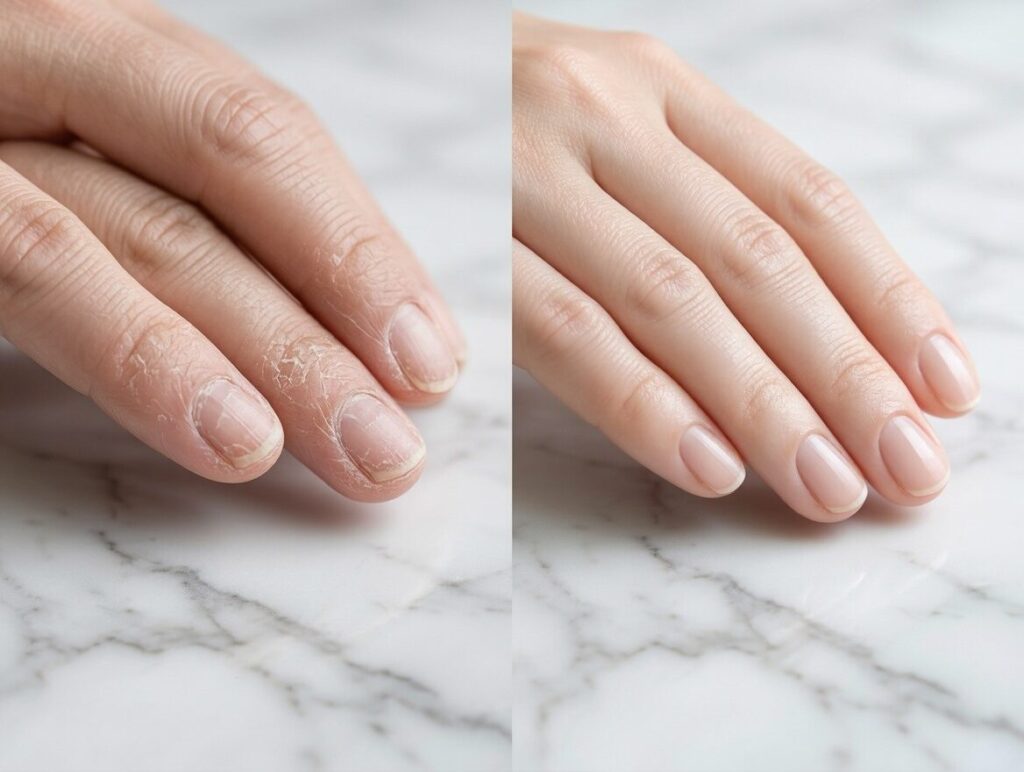
How to treat extremely dry cuticles at home starts with one simple thing: repairing the moisture barrier around your nails. If your cuticles feel rough, cracked, peeling, or painful, regular hand lotion usually isn’t enough.
Dry cuticles are common, especially if you wash your hands often, use acetone, get gel or acrylic nails, or live in a dry climate. The good news is that you can improve them at home with a consistent routine and the right ingredients.
In this guide, you’ll learn how to treat extremely dry cuticles at home using simple remedies, what causes cuticle dryness, which mistakes to avoid, and when it may be time to speak with a dermatologist.
What Are Cuticles and Why Do They Matter?
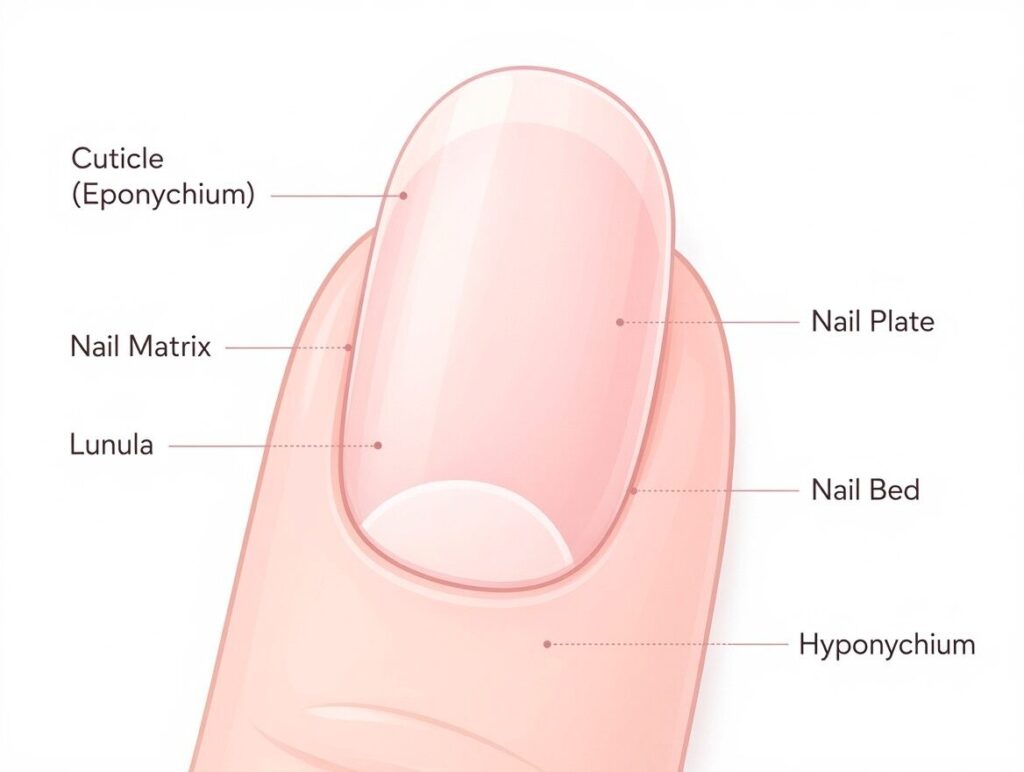
Your cuticle is the thin layer of skin at the base of your nail. It acts like a seal between your skin and nail plate, helping protect the nail root from bacteria, irritation, and moisture loss.
When cuticles become extremely dry, that protective barrier weakens. This can lead to cracking, peeling, hangnails, discomfort, and sometimes infection around the nail.
Healthy cuticles do more than make your manicure look neat — they support stronger, cleaner nail growth. That’s why cuticle care should be part of your regular nail care routine, not just something you do before applying polish.
Why Do Cuticles Get So Dry?
Dry cuticles usually happen because the skin around your nails is being stripped of moisture faster than it can repair itself. In most cases, one or more of these habits are the reason.
Frequent Hand Washing
Washing your hands many times a day removes natural oils from your skin. If you don’t moisturize right after washing, your cuticles can quickly become dry and tight.
Acetone and Harsh Nail Products
Acetone, gel polish, acrylics, dip powder, and strong removers can dehydrate the skin around your nails. If you regularly do manicures at home, your cuticles need extra care between applications.
Cold Weather or Dry Indoor Air
Dry air pulls moisture from the skin. In the USA, cuticle dryness often gets worse during winter, but air conditioning can also dry out your hands and nails during warmer months.
Cutting Cuticles Too Much
Cutting your cuticles removes the protective seal around the nail. This can make the area more sensitive, dry, and prone to hangnails.
Not Using Cuticle Oil
Hand cream helps, but cuticles often need oil. Oils like jojoba, almond, coconut, and vitamin E can absorb better into the cuticle area and help soften dry skin.
If you love trying seasonal manicures like summer nail ideas, healthy cuticles will make every nail look cleaner and more polished.
Content Retailed Post
Press On Nail Sizing Guide for Beginners – Get the Perfect Fit Every Time
How to Treat Extremely Dry Cuticles at Home: 7 Proven Remedies
If you’re wondering how to treat extremely dry cuticles at home without expensive salon treatments, start with these practical remedies. You don’t need to do all of them at once — pick two or three and stay consistent.
Remedy 1: Cuticle Oil Massage
Cuticle oil is the most important step for dry cuticles. It helps soften the skin, reduce roughness, and support a healthier nail area over time.
- Apply 1–2 drops of cuticle oil to each nail
- Massage around the cuticle for 30–60 seconds
- Use it at least once daily, preferably before bed
- Don’t wash it off after applying
For best results, choose oils with jojoba oil, almond oil, vitamin E, or avocado oil.
Remedy 2: Coconut Oil Soak
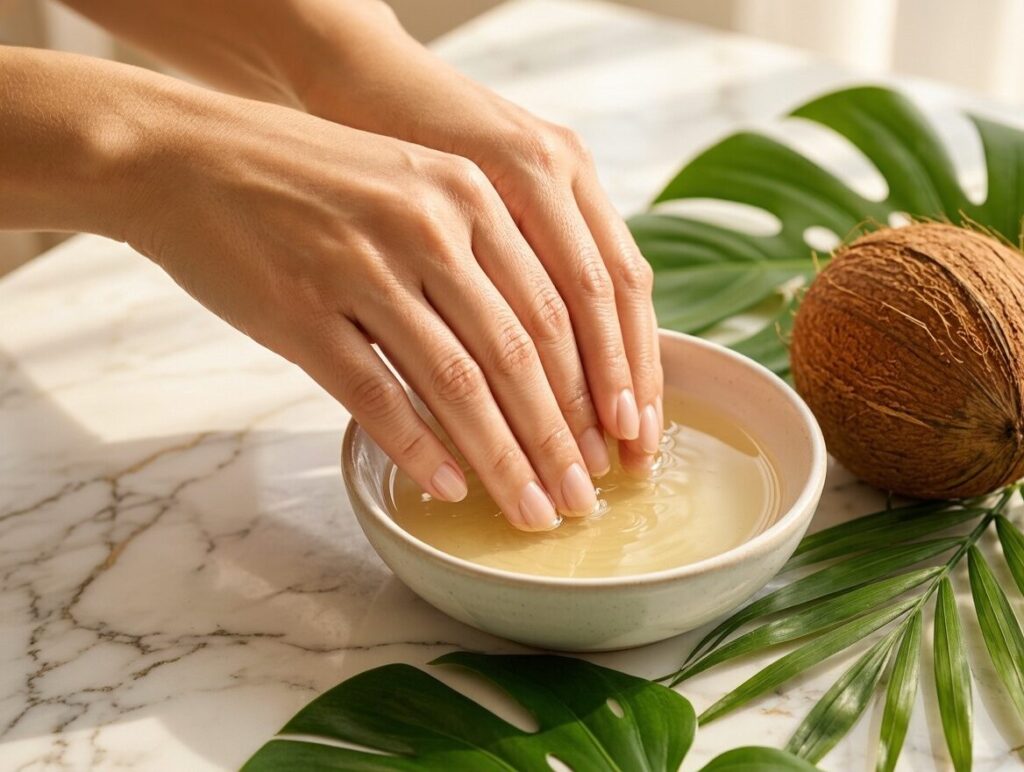
Coconut oil is simple, affordable, and helpful for dry cuticles because it softens rough skin and gives the nail area a protective moisture layer.
- Warm 1–2 tablespoons of coconut oil slightly
- Soak your fingertips for 10–15 minutes
- Massage the leftover oil into your cuticles
- Pat your hands dry with a soft towel
Use this remedy 2–3 times per week if your cuticles are very dry.
Remedy 3: Honey and Olive Oil Mask
Honey helps attract moisture, while olive oil helps nourish dry skin. Together, they make a good home treatment for peeling or flaky cuticles.
- Mix 1 tablespoon raw honey with 1 tablespoon olive oil
- Apply the mixture around your cuticles
- Leave it on for 15–20 minutes
- Rinse with lukewarm water
- Apply cuticle oil afterward
This works well once or twice a week.
Remedy 4: Petroleum Jelly Overnight Treatment
Petroleum jelly helps seal in moisture overnight. It works best when used after cuticle oil, not instead of it.
- Apply cuticle oil first
- Wait 2–3 minutes for it to absorb
- Add a thin layer of petroleum jelly on top
- Wear cotton gloves overnight if possible
This is especially useful for cracked cuticles or winter dryness.
Remedy 5: Vitamin E Oil
Vitamin E oil can help soften and condition damaged skin around the nails. It’s a good option if your cuticles look rough, irritated, or dry from frequent manicures.
- Open a vitamin E capsule or use vitamin E oil
- Apply a small amount to each cuticle
- Massage gently for 1–2 minutes
- Leave it on overnight
Use it daily or every other night depending on how dry your cuticles are.

Remedy 6: Shea Butter Balm
Shea butter is thicker than regular oil, so it’s helpful when your cuticles feel extremely dry or cracked. It creates a rich protective layer and helps reduce roughness.
- Warm a small amount between your fingers
- Massage it into each cuticle
- Let it absorb for a few minutes
- Use once or twice daily
This is a great choice if lighter oils don’t feel strong enough.
Remedy 7: Warm Water Soak and Gentle Push Back
A warm water soak softens the cuticles and makes them easier to care for without cutting. This is best as a weekly maintenance step.
- Soak fingertips in warm water for 5–10 minutes
- Pat dry gently
- Use a wooden cuticle stick to softly push back the cuticles
- Apply cuticle oil immediately after
Avoid lemon juice or strong ingredients if your cuticles are cracked, bleeding, or irritated.

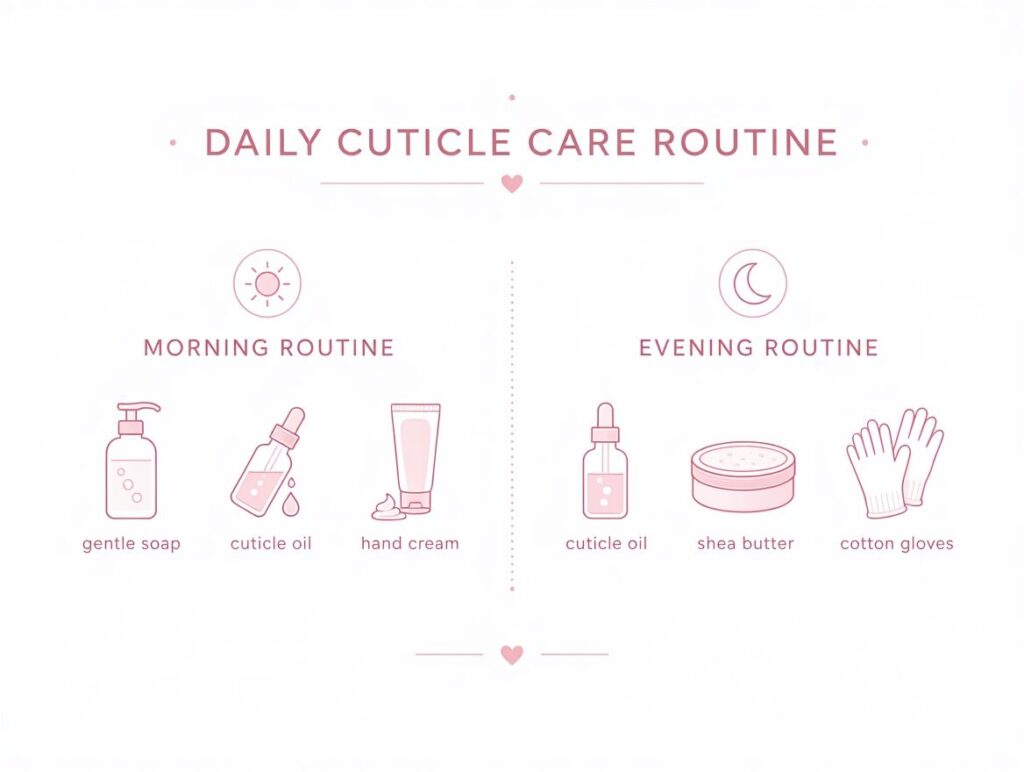
Daily Cuticle Care Routine for Best Results
Learning how to treat extremely dry cuticles at home is not only about one remedy. The real improvement comes from a daily routine that keeps moisture locked in.
Morning Routine
Your morning routine should protect your cuticles before they dry out during the day.
- Wash hands with a gentle soap
- Apply cuticle oil after drying your hands
- Follow with hand cream
- Reapply after heavy hand washing if needed
Evening Routine
Nighttime is the best time to repair dry cuticles because the products stay on longer.
- Apply cuticle oil before bed
- Massage each cuticle for a few seconds
- Add shea butter or petroleum jelly if dryness is severe
- Wear cotton gloves if your cuticles are cracked
Weekly Treatment
Once a week, give your cuticles deeper care.
- Do a coconut oil soak
- Or use a honey and olive oil mask
- Push back cuticles gently after softening
- Finish with cuticle oil
When your cuticles are healthy, even simple designs like short summer nails or almond summer nails look much cleaner.
Mistakes That Make Dry Cuticles Worse
Many people try to fix dry cuticles but keep doing habits that make the problem worse. Avoid these if you want faster results.
Cutting Cuticles Too Often
Cutting your cuticles can make them look neat temporarily, but it removes the natural protective barrier.
- Push cuticles back instead of cutting them
- Only trim loose dead skin or hangnails
- Avoid cutting live skin around the nail
Using Acetone Without Aftercare
Acetone can dry the nail area quickly. If you use it often, you need to restore moisture immediately.
- Apply cuticle oil after polish removal
- Use acetone-free remover when possible
- Avoid repeated remover use in the same week
Picking Hangnails
Pulling hangnails can tear the skin and cause pain, bleeding, or infection risk.
- Trim hangnails with clean nail clippers
- Apply cuticle oil afterward
- Don’t bite or peel the skin
Cleaning Without Gloves
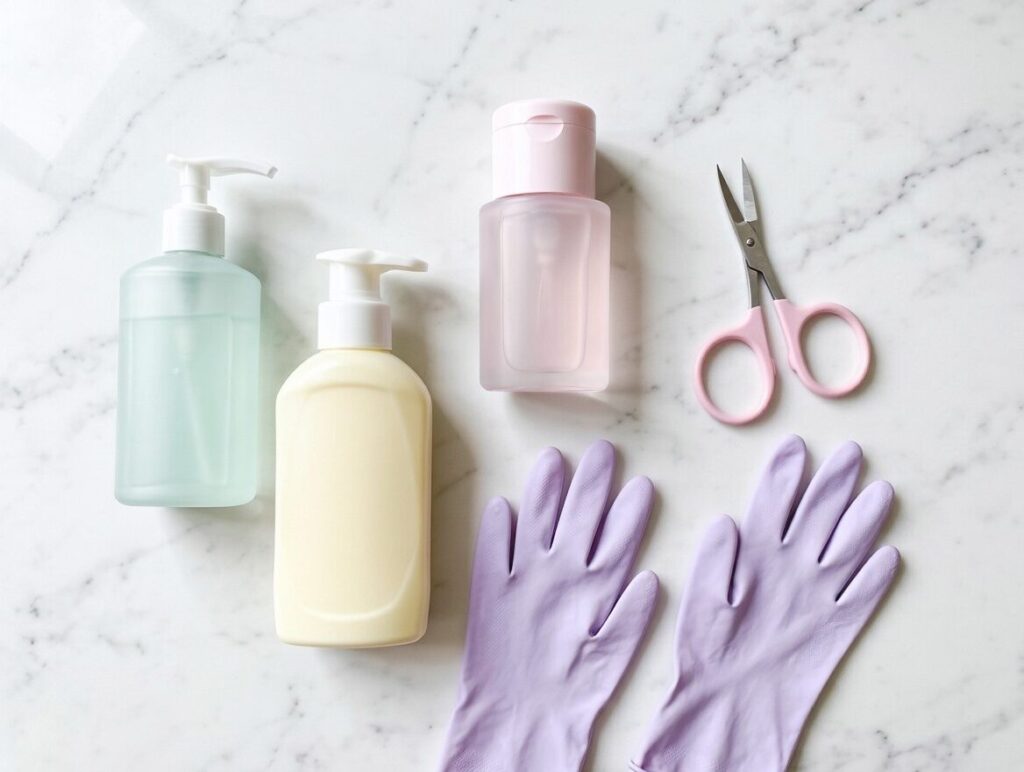
Dish soap and household cleaners can strip moisture from your hands and cuticles.
- Wear gloves while washing dishes
- Use gloves when cleaning with chemicals
- Moisturize after cleaning
Skipping Cuticle Oil
Hand cream alone may not be enough for extremely dry cuticles.
- Keep cuticle oil near your bed or desk
- Apply at least once daily
- Use a thicker balm at night if needed
When Should You See a Doctor?
Most dry cuticles improve with home care, but some symptoms need medical attention. According to the American Academy of Dermatology, gentle nail care and moisturizing are important for healthy nails, but persistent irritation should not be ignored.
See a dermatologist if you notice:
- Redness, swelling, or warmth around the nail
- Pus or yellow discharge
- Severe pain near the cuticle
- Cuticles that keep cracking and bleeding
- Nail discoloration or thickening
- Symptoms that don’t improve after consistent care
These signs may point to infection, eczema, psoriasis, or another nail condition. The Cleveland Clinic explains that painful swelling around the nail can sometimes be related to paronychia, which may need treatment.
Medical Disclaimer: This article is for educational purposes only and does not replace professional medical advice. If you have pain, infection signs, or ongoing nail concerns, speak with a qualified healthcare provider.
Nail Ideas to Try After Your Cuticles Heal
Once your cuticles are smooth and healthy, your manicure will instantly look more professional. You can explore these nail looks next:
- Best Cute and Simple Spring Nails 2026
- Daisy Nail Art Designs
- Hottest Summer Nails 2026
- Best Summer Vacation Nails 2026
- Best Summer Toe Nail Ideas 2026
Frequently Asked Questions
What is the fastest way to treat extremely dry cuticles at home?
The fastest method is to apply cuticle oil daily and seal it with petroleum jelly or shea butter overnight. This helps soften the area and lock in moisture while you sleep.
How often should I use cuticle oil?
Use cuticle oil at least once daily. If your cuticles are extremely dry, apply it morning and night.
Can coconut oil fix dry cuticles?
Coconut oil can help soften and moisturize dry cuticles. It works best when used consistently as a soak or massage treatment.
Should I cut dry cuticles?
No, avoid cutting dry cuticles. Push them back gently after soaking and only trim loose dead skin or hangnails.
Why are my cuticles dry even when I use hand cream?
Hand cream may not absorb deeply enough into the cuticle area. Cuticle oil is usually more effective for dryness around the nails.
Is it safe to treat dry cuticles at home?
Yes, mild to moderate dryness can usually be treated at home. But if you notice swelling, pus, severe pain, or bleeding, see a doctor.
Final Thoughts
Now you know how to treat extremely dry cuticles at home in a safe and practical way. The key is consistency — not expensive products.
Start with daily cuticle oil, add an overnight sealing treatment, avoid cutting your cuticles, and protect your hands from harsh products. Within 1–2 weeks, most people notice softer, healthier-looking cuticles.
Healthy cuticles are the foundation of healthy nails, and once they improve, every manicure looks better.
For more nail care tips, guides, and trending nail ideas, explore Latest Nail Ideas — your go-to source for everything nails.